
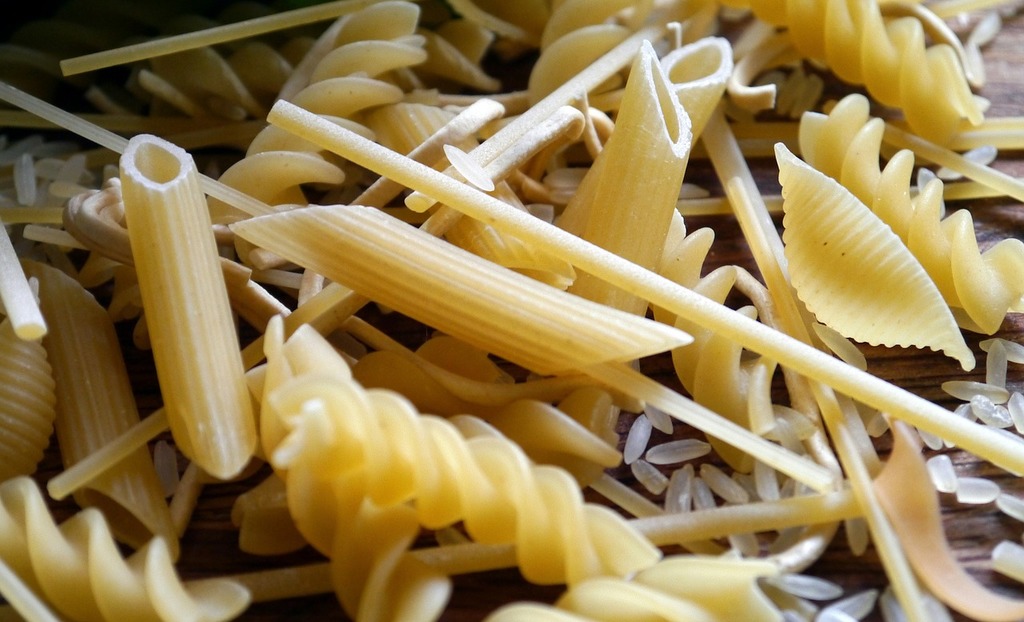
(And why you don’t need to remortgage your house for the “fancy” stuff)
Let’s talk about dry pasta — the box of hope that lives in the back of your pantry, waiting for the day you come home tired, cranky, and too emotionally fragile to deal with raw chicken. It’s the ultimate pantry ride-or-die. And while fresh pasta may have the Michelin-starred PR team, dry pasta is over here doing all the real work. Quietly. Deliciously. Without demanding a pasta machine and a clean countertop.
A Little History, Hold the Boring
Pasta’s origins are murky and hotly debated — some say it was invented in China and brought to Italy by Marco Polo (debatable), others insist the Italians were already twirling noodles around forks long before Marco ever packed a suitcase. What we do know? By the 13th century, Italians were crushing the dry pasta game, thanks to durum wheat and their genius-level food preservation skills. Dry pasta wasn’t just convenient — it was survival. It traveled well, lasted forever, and didn’t go funky on long journeys.
Fast forward several hundred years, and here we are: standing in the pasta aisle under fluorescent lights, pretending we understand the difference between penne rigate and penne lisce like we have a degree in noodleology.
So…What Is the Difference?
Let’s break it down.
- Durum Wheat Semolina: This is the gold standard. If it says “100% durum wheat semolina” on the box, you’re on solid ground. It gives pasta that perfect chewy bite and helps it hold up to sauce without turning into sadness.
- Bronze-Cut vs. Teflon-Cut: Bronze-cut pasta has a slightly rough surface, which means it grabs sauce like it owes it money. Teflon-cut is smoother, shinier, and more common in big-box brands. Is bronze-cut better? Sure. Is it necessary for your Tuesday night carbonara? Not really.
- Shapes Matter: Choose your noodle based on what you’re making. Short and ridged (penne, rigatoni) loves chunky sauces. Long and smooth (spaghetti, linguine) likes to dance with oil-based or thinner sauces. This isn’t snobbery — it’s pasta physics.
How to Shop for Dry Pasta Like a Sane Person
Now here’s the deal: you don’t need to buy the $7 imported artisan noodles hand-twirled by someone’s Nonna in a Tuscan hillside villa. Unless you want to. And if you do, more power to you. But if the store brand is what fits the budget this week? Toss that baby in the cart and keep strutting. Most store brands use the same wheat and machinery as the mid-tier names — they just skip the “rustic Italian dream” packaging and influencer campaigns.
The real secret? Cook it properly. Salt the water like the sea, don’t overboil it into mush, and for the love of carbs, save some of that starchy pasta water — it’s liquid gold for your sauce.
The Bottom Line
Dry pasta is a pantry MVP. It doesn’t judge. It’s there for you when your fridge is a graveyard of takeout containers and one mysterious lemon. Learn a little about what you’re buying, and you can turn that humble box into something magical. Whether it’s store brand or artisan, dry pasta just wants you to succeed — preferably with a fork in hand.
Here’s your Forking Fearless Dry Pasta Cheat Sheet
(a.k.a. Everything You Need to Know Before Panic-Buying Penne Again)
🍝 DRY PASTA CHEAT SHEET
| Pasta Type | Shape & Sauce Pairing | When to Use It |
| Spaghetti | Long, round strands. | Oil-based sauces (aglio e olio), marinara, meatballs. Classic for a reason. |
| Linguine | Long, flat, slightly wider than spaghetti. | Clingy to thinner sauces — great with clam sauce or pesto. |
| Fettuccine | Flat, wide ribbons. | Thick sauces like Alfredo or ragù. Think creamy, meaty, or both. |
| Penne (Rigate) | Short tubes with ridges. | Chunky sauces, veggies, baked pasta. Ridges hold sauce like a grudge. |
| Rigatoni | Bigger tubes, more ridges, slightly curved. | Bold, hearty sauces. Excellent in bakes. An overachiever in the best way. |
| Fusilli | Spirals/twists. | Perfect for capturing little bits of everything — great in pesto, tomato sauce, or pasta salads. |
| Orecchiette | “Little ears.” Cute. | Clings to chunky sauces, broccoli rabe, sausage. Rustic, charming, and fun to say. |
| Orzo | Rice-shaped pasta. | Best for soups, salads, and pretending it’s risotto when you’re short on time and patience. |
| Elbow Macaroni | Small, curved tubes. | Mac & cheese MVP. Also stars in pasta salad and nostalgia-fueled casseroles. |
| Lasagna Sheets | Wide, flat, no mystery here. | Layer it up. Use for lasagna (duh), or roll-ups if you’re feeling fancy. |
🧠 Pasta Nerd Tips
- Durum Wheat Semolina = ideal texture and chew. The gold standard.
- Bronze-Cut = rougher texture for sauce to cling to. Worth the splurge when it’s on sale.
- Teflon-Cut = smoother, shinier pasta. Most common in store brands — still totally fine.
- Pasta Shapes Matter — trust Italian grandmas on this one. Pair your pasta with the sauce it can handle.
🔥 How to Cook Like a Pro
- Salt that water. Like, really salt it. Think ocean vibes.
- Don’t overcook. Al dente = tender with bite. Mushy = sadness.
- Save that pasta water! A splash helps emulsify and thicken your sauce like a kitchen wizard.
🛒 Shopping Wisdom
- Store brand? Heck yeah. It’s pasta, not a personality test.
- Bulk buy shapes you use often. You’ll thank yourself on a rainy Tuesday.
- Short on storage? Go with multi-use shapes (penne, spaghetti, orzo = pantry power trio).
Stick it next to your tomato cheat sheet and call it a pantry glow-up.